
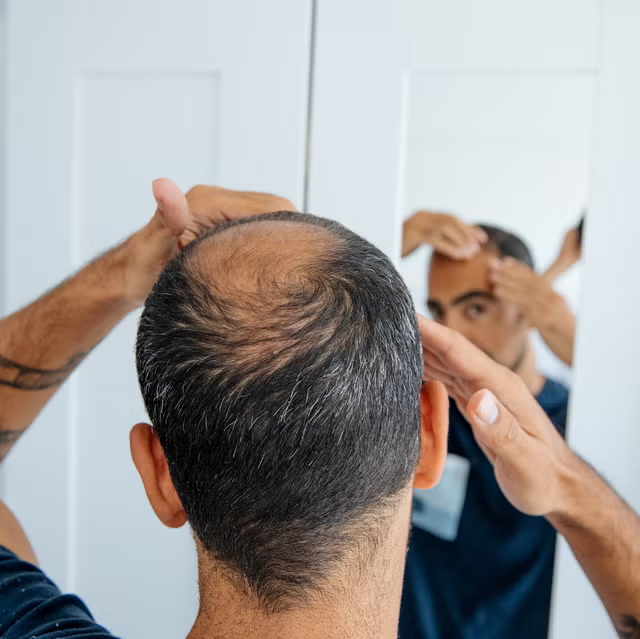
Hair loss rarely happens overnight.
For most men, it begins subtly — so subtle that it’s easy to dismiss.
A slightly higher hairline.
A bit more scalp showing under bright light.
More strands in the shower drain.
By the time it feels serious, the process has often been developing for years.
Understanding the early signs — and responding at the right time — can make a significant difference.
What Actually Happens During Early Hair Loss?
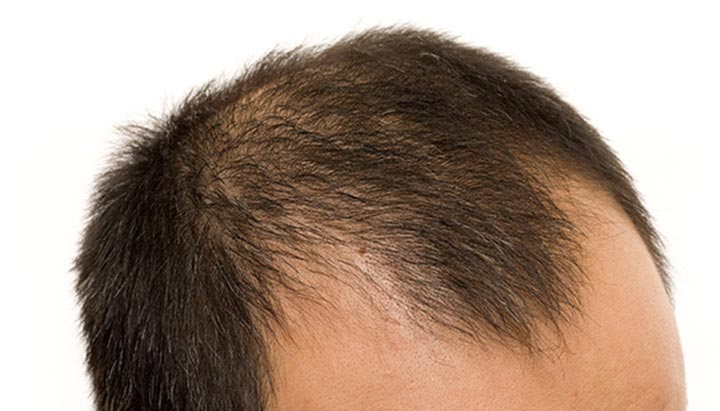
Male hair thinning typically follows a predictable pattern:
Receding temples
Thinning at the crown
Gradual miniaturization of hair strands
Increased oil production on the scalp
Hair follicles don’t disappear immediately.
They weaken first.
During this stage, hair becomes finer, shorter, and less pigmented.
This phase can last years before noticeable bald spots appear.
The key insight:
Early-stage follicles are often still active — just compromised.
Why Most Men Wait Too Long
There are three common reasons:
- It Doesn’t Look “Bad Enough”
Because thinning progresses slowly, it’s easy to normalize the change.
- Fear of Overreacting
Many men don’t want to seem vain or overly concerned.
- Inconsistent Product Use
Trying something for two weeks, seeing no dramatic change, and stopping.
Hair growth cycles operate over months — not days.
Stopping too early often means stopping just before stabilization begins.
Why Early Support Matters
When follicles are still alive but weakened, supportive scalp care may help:
Reduce excessive shedding
Improve scalp balance
Strengthen the appearance of existing hair
Slow further progression
Once follicles fully miniaturize and become inactive, options become more limited.
Timing is critical.
A Structured Approach to Scalp Support
Rather than focusing on quick fixes, treatment consistency is often more important.
At Herbotany, the men’s 5% series is designed as a 30-day treatment cycle, encouraging users to support their scalp across multiple months rather than sporadic use.
Users commonly report:
Month 1: Reduced shedding, less scalp oil
Month 2: Improved root stability
Month 3: More balanced overall appearance
Hair density improvements are gradual — but stabilization often begins earlier.
How Long Should You Try a Hair Routine?
Realistically:
3–4 weeks: Changes in shedding patterns
6–8 weeks: Strength and texture changes
Around 90 days: Visible density support
That’s why many professionals recommend evaluating hair routines over at least a 2–3 month period.
Is It Already Too Late?
If you still see:
Fine hairs in thinning areas
Short regrowing strands
Some coverage under bright light
It usually means follicles are still present.
And that means there is still something to support.
Final Thoughts
Hair loss doesn’t happen suddenly.
And meaningful improvement doesn’t happen instantly.
But early, consistent care can influence the direction of progression.
If you’re noticing subtle thinning now,
this may be the best time to act — not later.